Introduction
In an increasingly interconnected globe, the diversity of cultures within areas brings both rich traditions and intricate obstacles, particularly relating to healthcare and first aid methods. The significance of effective first aid is not almost recognizing just how to treat injuries however additionally concerning understanding the social and social complexities that regulate consent. The write-up "Acquiring Permission Throughout Cultures: Navigating First Aid in Diverse Communities" intends to look into these subtleties, exploring how social perspectives shape authorization in first aid scenarios and the duty it plays in neighborhood health.
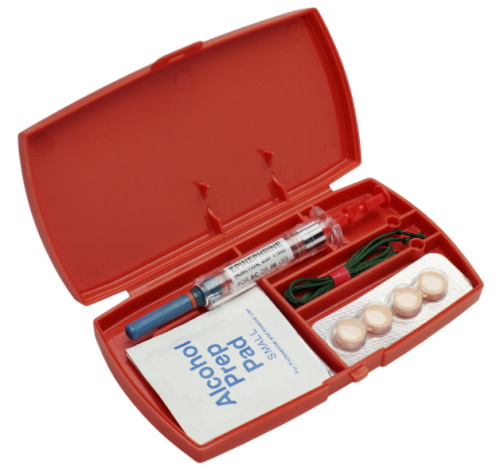
Gaining Permission Across Cultures: Navigating Emergency Treatment in Diverse Communities
Understanding the idea of permission is vital, specifically when administering emergency treatment throughout various social landscapes. In various neighborhoods, the assumption of consent can vary dramatically based upon standards, beliefs, and previous experiences with healthcare systems.
The Importance of Approval in First Aid
Before any type of clinical intervention can happen, approval is extremely important. This concept makes first aid course enrollment sure respect for an individual's autonomy and legal rights. But how does this apply throughout various societies?
- Cultural Level of sensitivity: Comprehending that some cultures might require family permission instead of individual consent is crucial. Communication Barriers: Language distinctions may stop clear communication, making it vital for initial -responders to use interpreters or culturally competent volunteers.
The Duty of Cultural Standards in Health Decisions
Cultural norms determine exactly how individuals view health and wellness problems and reply to therapies. As an example:
- In some societies, standard medication may take precedence over Western clinical practices. Religious ideas may influence decisions connected to blood transfusions or particular medical interventions.
Establishing Trust fund Within Diverse Communities
Building count on is an essential component of gaining approval in varied setups:

Engagement: Entail area leaders or seniors that can promote discussions around wellness topics. Education: Conduct workshops that describe the requirement of first aid and emergency feedbacks within certain cultural contexts.
Founding of St John Ambulance: A Historical Perspective
St John Ambulance stands as a beacon for first aid education and learning worldwide, based on concepts that straighten very closely with gaining consent across cultures.
Historical Significance
Founded in 1887, St John Ambulance has actually advanced to come to be associated with emergency treatment training and emergency situation services.
Impact on Area Health
The organization emphasizes easily accessible training programs tailored for varied areas:
- Their campaigns typically consist of multilingual products to accommodate non-English-speaking populations. St John Rescue collaborates with regional companies to boost involvement from numerous social backgrounds.
Essential Family Items for First Aid Preparedness
A fully equipped first aid kit can make all the distinction throughout emergencies. Here's what you need:
Adhesive Bandages: For minor cuts and scrapes. Antiseptic Wipes: Important for cleaning up wounds. Gauze Pads: To cover bigger injuries effectively. Thermometer: Vital for keeping track of body temperature.Creating a Portable Set for On-the-Go Emergencies
For those that take a trip frequently or participate in exterior activities, having a portable set is vital:
- Include portable products like adhesive bandages and antibacterial wipes. Consider including products appropriate to your tasks (e.g., insect repellent).
First Help Methods: Practical Knowledge Throughout Cultures
Tilting Head Back for Nosebleeds: A Common Practice?
One usual technique recommended during nosebleeds is turning the head back; nevertheless, this differs by society:
- In some communities, it's advised to lean ahead rather to avoid swallowing blood.
Key Takeaway: Constantly ask people their favored techniques before waging treatment.
Fall Prevention Tips Tailored for Different Age Groups
Understanding fall risks amongst numerous age can help customize prevention methods:
Elderly Populace: Advertise home alterations such as setting up grab bars and getting rid of clutter. Children: Encourage secure backyard free from hazards.Recognising Family pet Distress During Emergencies
In many families, pet dogs are taken into consideration family members; hence acknowledging their distress throughout emergency situations comes to be vital:
Look for indications like extreme barking or hiding behavior. Approach animals smoothly before trying any type of kind of first aid if they are injured.Treating Minor Injuries on Yourself: Self-Care Strategies
Having knowledge about treating minor injuries can encourage individuals:
Apply pressure on bleeding injuries until they stop bleeding. Clean cuts with soap and water prior to applying a glue bandage.Bushfire Season Injuries: Community Preparedness Strategies
Bushfire period presents unique challenges relying on geographical locations:
- Being aware of local fire regulations can assist families in developing retreat plans.
Emergency Tip: Keep a fire extinguisher available in any way times! Recognizing how to run one properly might conserve lives during a fire outbreak.
Kitchen Knife Cuts: Avoidance & Therapy Guidelines
In many homes, cooking area mishaps prevail as a result of inappropriate handling of knives:
Prevention
Always use reducing boards to prevent slips. Store blades safely out of reach from children.Treatment
If you experience a cooking area knife cut:
Rinse under great water immediately. Apply stress with a clean cloth till bleeding stops.First Aid Recognition Projects: Bridging Spaces Throughout Cultures
Effective projects should think about social preferences when promoting awareness about emergency treatment practices:
Collaborate with regional influencers who understand community needs. Offer multi-language resources that resonate culturally.FAQs
1. What must I do if I'm not sure about gaining consent?
Always focus on clear communication; if required, speak with somebody knowledgeable about the person's cultural background.
2. Just how can I prepare my household for emergencies?
Create a comprehensive emergency situation strategy that consists of practicing drills together regularly.
3. Exist specific first aid methods better fit for certain cultures?
Yes, different communities might have chosen methods based on their traditions-- constantly make inquiries prior to waging treatment!
4. Just how typically must I rejuvenate my first-aid kit?
It's great method to inspect your package every 6 months and change ran out things promptly!
5. Why is it important to recognize animal distress during emergencies?
Pets experience stress and anxiety much like humans; identifying their distress aids keep them calm during chaotic situations!
6. What sources are offered for discovering more regarding culturally delicate first-aid practices?
Many organizations provide training courses focusing on variety in health care; check regional listings or area centers!
Conclusion
Navigating the intricacies surrounding "Gaining Permission Across Cultures: Navigating First Aid in Diverse Communities" involves acknowledging the myriad means culture forms our understanding of health care and emergency action protocols. By promoting open discussion and respecting diverse perspectives while making sure correct training through companies like St John Ambulance, we can much better outfit ourselves-- and our communities-- to deal with emergencies efficiently while recognizing specific civil liberties across cultures.
In verdict, as we continue our trip toward enhanced area wellness through reliable communication first aid workshops near me and education concerning first-aid methods customized towards multiculturalism-- with each other we improve durability against unforeseen challenges!